
How Automated Trading is Transforming Financial Markets
क्रिप्टो मार्केट सुरक्षा और नैतिकता
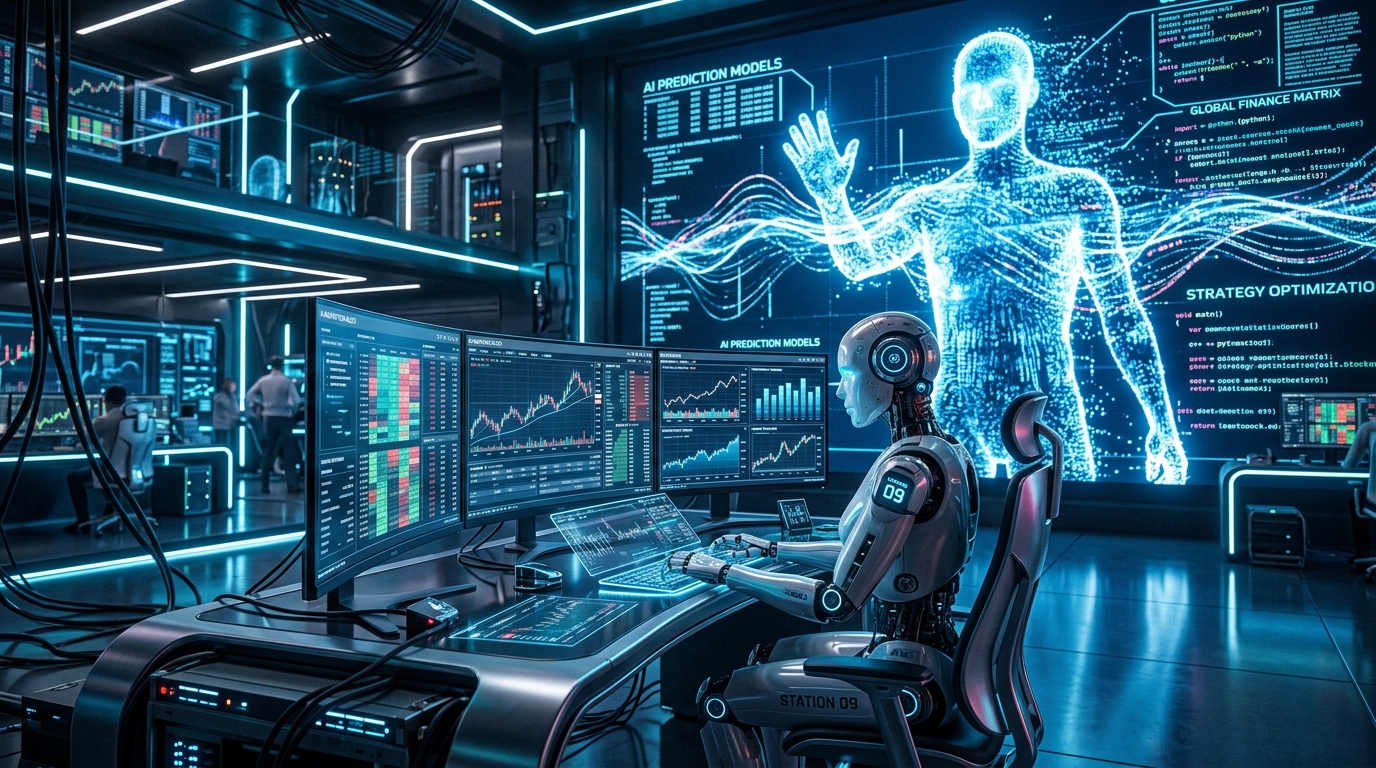
वित्तीय बाजारों में स्वचालन व्यापार के संचालन के तरीके को मौलिक रूप से बदल रहा है। एल्गोरिदमिक ट्रेडिंग की जड़ों से लेकर जटिल मशीन-लर्निंग मॉडलों के विकास तक, स्वचालित व्यापार प्रणालियाँ संस्थागत और खुदरा व्यापारियों के लिए अनिवार्य बन गई हैं। इस लेख में, हम देखेंगे कि कैसे स्वचालित व्यापार वित्तीय बाजारों को बदल रहा है, इसके प्रमुख प्रौद्योगिकियाँ, रणनीतियाँ, लाभ, चुनौतियाँ, और इस क्रांति के चारों ओर नैतिक विचार।
स्वचालित व्यापार का परिचय
स्वचालित व्यापार का अर्थ है कंप्यूटर सिस्टम का उपयोग करके पूर्व-प्रोग्राम की गई एल्गोरिदम के आधार पर बिना मानव हस्तक्षेप के व्यापार करना। ये सिस्टम वास्तविक समय में बाजार डेटा का विश्लेषण करते हैं और ऐसी गति और सटीकता से निर्णय लेते हैं जो मानव व्यापारियों के लिए असंभव है। स्वचालित व्यापार का इतिहास 1970 के दशक के अंत में सरल नियम-आधारित प्रणालियों से शुरू हुआ, जो अब कृत्रिम बुद्धिमत्ता (AI) और मशीन लर्निंग को शामिल करने वाले जटिल प्लेटफार्मों में विकसित हो गया है।
स्वचालित व्यापार में प्रौद्योगिकी की भूमिका
Technological advancements have significantly propelled the evolution of automated trading in India. The integration of machine learning and artificial intelligence empowers trading platforms to evolve continuously, discerning trends and refining strategies. High-frequency trading (HFT) capabilities, which can process numerous transactions in a fraction of a second, have transformed the landscape by capitalizing on even the slightest price variations. Additionally, the emergence of cloud technologies, extensive data analytics, and enhanced network systems has allowed traders to implement these algorithms worldwide, engaging with financial markets around the clock with reduced lag.
Understanding the Mechanism of Automated Trading Systems
Automated trading systems are constructed using algorithms—detailed sets of guidelines and commands written in various programming languages. These systems can vary widely, from straightforward rule-based approaches, such as purchasing when an asset reaches a certain value, to intricate, AI-enhanced models that analyze historical patterns to forecast future market movements.
Different Categories of Automated Trading Systems Include:
- Rule-Based Trading Systems: Carry out trades according to specific, established criteria.
- AI-समर्थित प्रणालियाँ: निरंतर सीखना और अनुकूलित करना, विशाल डेटा सेट का विश्लेषण करके समय के साथ सुधार करना।
- संकर प्रणालियाँ: सुधारित प्रदर्शन के लिए नियम-आधारित रणनीतियों को मशीन लर्निंग के साथ मिलाना।
- blog_three_question_4.subtitle_4: blog_three_question_4.desc_4
स्वचालित व्यापार रणनीतियों के प्रकार
प्रत्येक रणनीति जटिल एल्गोरिदम पर निर्भर करती है और सावधानीपूर्वक कैलिब्रेशन और जोखिम प्रबंधन की आवश्यकता होती है।
Automated trading employs various strategies tailored to market dynamics and individual objectives. Key approaches include:
- Arbitrage Techniques: These capitalize on discrepancies in asset prices across different exchanges.
- Momentum Trading Approaches: These emphasize riding the wave of market trends, purchasing during price surges and divesting during declines.
- Mean Reversion Techniques: Leverage the expectation that market prices will return to their average levels following notable fluctuations.
- Strategies for Market Making: Earn from the difference between buying and selling prices by executing buy and sell orders concurrently.
Advantages of Automated Trading Systems
Unlock the Future of Wealth with Crypto Trading In today's fast-paced digital landscape, crypto trading offers an incredible opportunity for financial growth. With platforms like Duneriat, you can tap into a market that operates 24/7, allowing you to trade at your convenience. The potential for high returns is significant, making it an attractive option for both novice and experienced traders. By embracing crypto, you position yourself at the forefront of innovation, diversifying your investment portfolio and gaining exposure to a rapidly evolving asset class. The community surrounding cryptocurrencies is vibrant and supportive, providing resources and insights that empower you to make informed decisions. Join the movement towards financial independence and explore the world of crypto trading with Duneriat. Your journey to wealth creation starts here!
Automated trading provides numerous benefits compared to traditional trading methods. Key advantages include:
- गति और दक्षता: कंप्यूटर मानवों की तुलना में तेजी से व्यापार कर सकते हैं, अवसरों का लाभ उठाते हुए जो अन्यथा गायब हो जाते हैं।
- मानव त्रुटियों में कमी: स्वचालित प्रणाली भावनात्मक निर्णय लेने और संज्ञानात्मक पूर्वाग्रहों को समाप्त करती है, जिससे परिणाम अधिक स्थिर होते हैं।
- 24/7 बाजार पहुंच: ये प्रणाली निरंतर कार्य कर सकती हैं, यह सुनिश्चित करते हुए कि व्यापारी कभी भी बाजार के अवसर को न चूकें।
- पुनः परीक्षण और अनुकूलन: व्यापारी रणनीतियों को लागू करने से पहले ऐतिहासिक डेटा का उपयोग करके उनका परीक्षण कर सकते हैं, प्रदर्शन को अनुकूलित करते हुए जोखिम को कम करना।
स्वचालित व्यापार के जोखिम और चुनौतियाँ
Duneriat: Unlocking Crypto Trading Potential Trading in cryptocurrencies opens up a world of possibilities for Indian investors. With the rapid growth of digital currencies, platforms like Duneriat empower you to capitalize on market trends. Whether you're a seasoned trader or just starting, the ease of access and user-friendly interfaces make it simple to navigate the crypto landscape. Investing in crypto allows you to diversify your portfolio beyond traditional assets. The potential for high returns can be enticing, especially in a dynamic market that operates 24/7. Additionally, with the increasing adoption of blockchain technology in India, being part of this financial revolution is both timely and rewarding. Join the movement with Duneriat and take control of your financial future. Embrace the opportunities in crypto trading and watch your investments grow. The journey may be challenging, but the rewards are worth the effort. Start today and be a part of the change!
हालांकि स्वचालित व्यापार कई लाभ प्रदान करता है, लेकिन इसके साथ कुछ जोखिम भी जुड़े होते हैं। मुख्य चुनौतियाँ शामिल हैं:
- बाजार में अस्थिरता के जोखिम: Automated trading systems can heighten market instability, particularly during unexpected downturns or flash crashes, where swift and extensive sell-offs may spiral uncontrollably.
- Flash Crashes: A notable incident in 2010 saw an algorithm-induced plunge that caused the market to nosedive, erasing billions in mere moments.
- Technical Failures: Errors in software, system outages, or coding mistakes can lead to considerable financial setbacks for traders.
- blog_three_question_7.subtitle_4: blog_three_question_7.desc_4
The Influence of Automated Trading on India's Financial Landscape
The rise of automated trading has transformed the Indian financial landscape, enhancing market liquidity and operational efficiency. Trades are executed with remarkable speed and frequency, leading to improved liquidity across various asset classes. Yet, as machines increasingly assume roles once filled by human traders, the dynamics of employment within the finance sector are evolving.
Automated Trading Across Diverse Asset Classes
Automated trading platforms exhibit versatility, functioning in multiple markets, such as:
- Equities: Algorithms for stock trading are highly sophisticated, widely adopted by both institutional investors and retail traders throughout India.
- Forex: Automated trading solutions have revolutionized the cryptocurrency landscape, enabling swift adaptations to market fluctuations and news updates.
- Commodities: From precious metals to energy resources, commodities trading thrives on automated algorithms that capitalize on price discrepancies and trends.
- Cryptocurrencies: The dynamic world of cryptocurrencies, characterized by its rapid price shifts and continuous trading hours, is ideally suited for automation that reacts instantly to market developments.
Regulatory Hurdles and Insights
The regulation of automated trading is essential for maintaining market integrity. In India, organizations such as SEBI are working to implement guidelines that promote transparency and prevent manipulation. As AI technologies evolve, regulators face the daunting task of adapting to these advancements while addressing ethical issues related to algorithmic trading practices.
How Institutional Investors Utilize Automated Trading Strategies
Institutional investors in India, including mutual funds and hedge funds, increasingly depend on automated trading systems to enhance their investment strategies. Quantitative analysts design advanced models that utilize vast datasets, artificial intelligence, and machine learning to achieve superior performance compared to conventional trading methods. Notably, several Indian hedge funds attribute their growth to the effectiveness of these automated systems.
Automated Trading Solutions for Individual Investors
Recent technological breakthroughs have made automated trading accessible to individual investors in India. Platforms such as Zerodha and Upstox provide user-friendly interfaces for trading bots, while social trading networks enable users to replicate the tactics of successful traders. Additionally, retail investors can either buy or create personalized trading bots to streamline their trading processes.
The Evolution of Automated Trading
As artificial intelligence and machine learning advance, the complexity of automated trading platforms will also increase. The emergence of quantum computing, still in its nascent stage, promises to transform trading by analyzing vast datasets at unprecedented speeds. In the coming decade, automation is predicted to take a larger role in financial markets, minimizing reliance on human decision-making.
Ethical Dimensions of Automated Trading
Transparency plays a vital role in maintaining fairness and accessibility in automated trading. It is essential that algorithms are crafted to avert market manipulation and guarantee equal access to trading opportunities. Striking a balance between the advantages of automation and the necessity for ethical practices in the market remains a persistent challenge for both policymakers and traders.
Insights from Automated Trading Case Studies
- The 2010 Flash Crash: This incident underscored the risks associated with automated trading systems, where algorithms instigated significant sell-offs, resulting in a rapid market decline within mere minutes.
- Success Narratives: Prominent firms such as QuantInsti and Zerodha have harnessed automation to consistently exceed market expectations, establishing new standards in the financial realm.
Common Inquiries (FAQs)
- 1. What is algorithmic trading? Algorithmic trading involves the use of computer algorithms to perform trades automatically, minimizing human involvement.
- 2. What distinguishes high-frequency trading from traditional trading? High-frequency trading executes numerous trades in fractions of a second, leveraging minor price fluctuations for profit.
- 3. Is automated trading devoid of risks? Not at all; while automated trading minimizes human errors, it remains susceptible to risks like technical glitches and market unpredictability.
- 4. Can individual investors participate in automated trading? Absolutely, various platforms empower individual investors to develop or implement automated trading strategies effectively.
- 5. How do authorities oversee automated trading activities? Regulatory authorities employ a variety of oversight mechanisms, including continuous monitoring systems and structured regulatory frameworks.
- 6. Which technologies are essential for automated trading systems? Essential technologies encompass artificial intelligence, predictive analytics, cloud infrastructure, and ultra-fast internet connectivity.
Conclusion: The Dynamic Shift in Financial Markets Through Automation
Automated trading is reshaping financial markets, enhancing efficiency, accelerating trade execution, and enabling advanced strategies. As AI, machine learning, and quantum technologies progress, the future of automated trading will hinge on its capacity to innovate while ensuring market integrity.